Employee Assistance Support That Works for Real Teams
Support employees with confidential counselling, structured wellbeing support, and a programme designed to improve retention, trust, and everyday performance.
Employee Assistance Programme in Nepal gives people a structured way to understand what they are experiencing and get support that fits their life. At Digi Therapy, this service is delivered online by licensed therapists who work with clients in Nepal and abroad, making care easier to access without losing depth or quality. Sessions focus on helping clients make sense of patterns, reduce distress, and build practical strategies they can use between appointments.
Top-tier corporate mental health support in Nepal. Burnout prevention, employee counselling & retention strategies. Trusted by leading IT and banking firms in Kathmandu. Clients often seek this support when they notice burnout and stress support, manager referrals and escalation pathways, confidential counselling access, or when daily life starts to feel harder to manage than it used to. Therapy is confidential, culturally aware, and paced around the person rather than a rigid script. Most sessions last around 50 minutes and are tailored to the client's goals, whether that means symptom relief, stronger relationships, better emotional regulation, or simply feeling more steady day to day. The point is not to label everything. It is to create clarity, build momentum, and make it easier to move forward with the right therapeutic fit.
Is This Right for You?
Who Employee Assistance Programme Is For
Good fit
When burnout and stress support is taking too much space
Employee Assistance Programme can help when burnout and stress support is starting to affect sleep, work, connection, or your ability to feel grounded. Therapy gives you a clearer view of what is happening and what support can realistically change.
Good fit
When manager referrals and escalation pathways starts affecting relationships or routine
Employee Assistance Programme can help when manager referrals and escalation pathways is starting to affect sleep, work, connection, or your ability to feel grounded. Therapy gives you a clearer view of what is happening and what support can realistically change.
Good fit
When confidential counselling access is hard to explain but easy to feel
Employee Assistance Programme can help when confidential counselling access is starting to affect sleep, work, connection, or your ability to feel grounded. Therapy gives you a clearer view of what is happening and what support can realistically change.
The Process
How It Works
01
Tell us about your needs
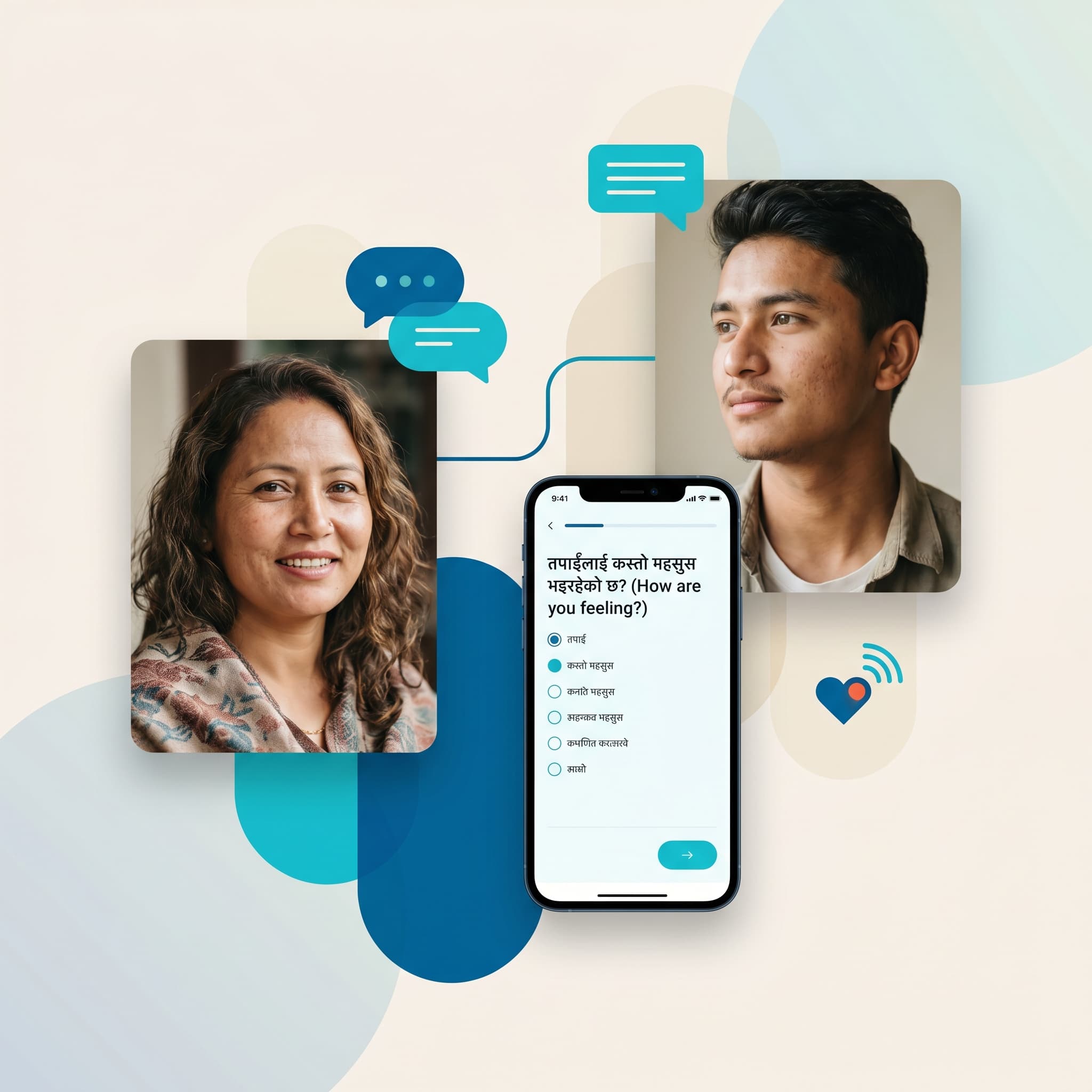
Answer a few simple questions so we understand your goals, preferences, and what kind of support would feel most useful. It takes about 5 minutes.
02
Get matched with a therapist
We connect you with a therapist trained in employee assistance programme. If the first match does not feel right, you can request a change without pressure.
03
Start your sessions
Meet online from anywhere in Nepal or abroad. Sessions are private, flexible, and designed to fit workdays, family life, and changing schedules.
What You Gain
Benefits of Employee Assistance Programme
Understand your employee assistance programme patterns with more clarity and less self-blame.
Build practical coping strategies that can be used during work, relationships, and ordinary daily stress.
Improve communication, emotional regulation, and confidence in decisions that matter to you.
Feel more steady over time through a plan that is paced, measurable, and realistic for your life.
Our Approach to Employee Assistance Programme
Employee Assistance Programme at Digi Therapy is delivered through evidence-based approaches that balance structure with flexibility. Depending on the client's goals, therapists may use CBT, mindfulness-based strategies, trauma-informed care, and solution-focused work to build insight and create practical change. Treatment is collaborative: clients understand what the plan is, why certain methods are being used, and how progress will be reviewed.
Most people begin with weekly sessions focused on assessment, goal-setting, and early coping tools. As therapy develops, the work becomes more tailored to the patterns that are showing up in relationships, routines, stress responses, or self-beliefs. Some concerns respond well to a shorter focused course of treatment, while others benefit from longer support. The aim is steady, sustainable improvement that fits real life in Nepal and beyond.
CBTMindfulness-Based TherapySolution-Focused TherapyTrauma-Informed Care
Featured Expert
Sadhana Niroula
Master's in Clinical Psychology
Sadhana provides psychosocial counselling, group support, and mindfulness-based guidance to help clients move through stress, emotional overwhelm, and difficult life transitions with steadier support.
“My work starts by helping people feel safe enough to speak honestly, and strong enough to move forward at their own pace.”
People looking for employee assistance programme often want to know whether support will actually feel practical, safe, and relevant. These stories reflect that experience.
“Before starting therapy, I kept telling myself to just push through. Therapy helped me slow down, name what was actually happening, and work on it in a way that felt steady instead of overwhelming.”
MK
Maya K.
Kathmandu, Nepal
“Maile sochya thiye online session ma connection hudaina hola, tara ulto bhayo. Digi ko support flexible, private, ra dherai bujhne jasto lagyo. I came away from each session with one clear thing to hold onto.”
RP
Rohan P.
Pokhara, Nepal
“Before starting therapy, I kept telling myself to just push through. Therapy helped me slow down, name what was actually happening, and work on it in a way that felt steady instead of overwhelming.”
MK
Maya K.
Kathmandu, Nepal
Real clients who gave consent to share their stories. Names changed for privacy.
FAQs
Frequently Asked Questions
How does Employee Assistance Programme work?
Employee Assistance Programme usually begins with an assessment of your goals, symptoms, and current challenges. Sessions are typically around 50 minutes and focus on understanding patterns, building practical skills, and reviewing progress over time. Your therapist will explain the approach being used and what to expect from the process.
Is Employee Assistance Programme available online in Nepal?
Yes. Digi Therapy delivers employee assistance programme online through secure video sessions, so you can attend from Kathmandu, elsewhere in Nepal, or abroad. The aim is to make support consistent and accessible without long travel or scheduling barriers.
Is everything I share confidential?
Yes. Sessions are private and therapist confidentiality is a professional and ethical obligation. We use secure systems and share information only when legally required or when there is a serious risk of harm.
How many sessions will I need?
That depends on your goals, symptom intensity, and what kind of support you want. Many clients notice meaningful progress within 4 to 6 sessions, while others benefit from a longer course of therapy. Your therapist will review progress with you regularly and adjust the plan as needed.
Can I switch therapists if it is not the right fit?
Yes. Finding the right therapist is part of the process, and you can request a change if the fit does not feel right. We would rather help you find the right match than ask you to continue with the wrong one.
How much does Employee Assistance Programme cost in Nepal?
Pricing varies by therapist experience and session format. The easiest way to see current options is to start the onboarding flow, where you can review available therapists and next steps based on your needs.
Is EAP usage shared with the company?
No individual usage details are shared. Organisations receive only aggregate, anonymised reporting where appropriate, not personal session information.
How quickly can an EAP be implemented?
That depends on programme scope, but a focused setup can often begin within a few weeks once goals, communication, and referral pathways are agreed.
Is this only for large companies?
No. Smaller teams can also benefit from structured confidential support, especially when stress, retention, or people-management capacity are real concerns.
Can this support help reduce burnout in the IT/Banking sector in Nepal?
Absolutely. We have specific protocols for high-pressure corporate environments in Kathmandu, focusing on burnout prevention, work-life balance, and retention for IT and banking professionals.
Ready to Start Your Employee Assistance Programme Journey?
You do not need to have it all figured out. One conversation with the right therapist can change the direction of things. We will help you find the right fit and get started with clarity.